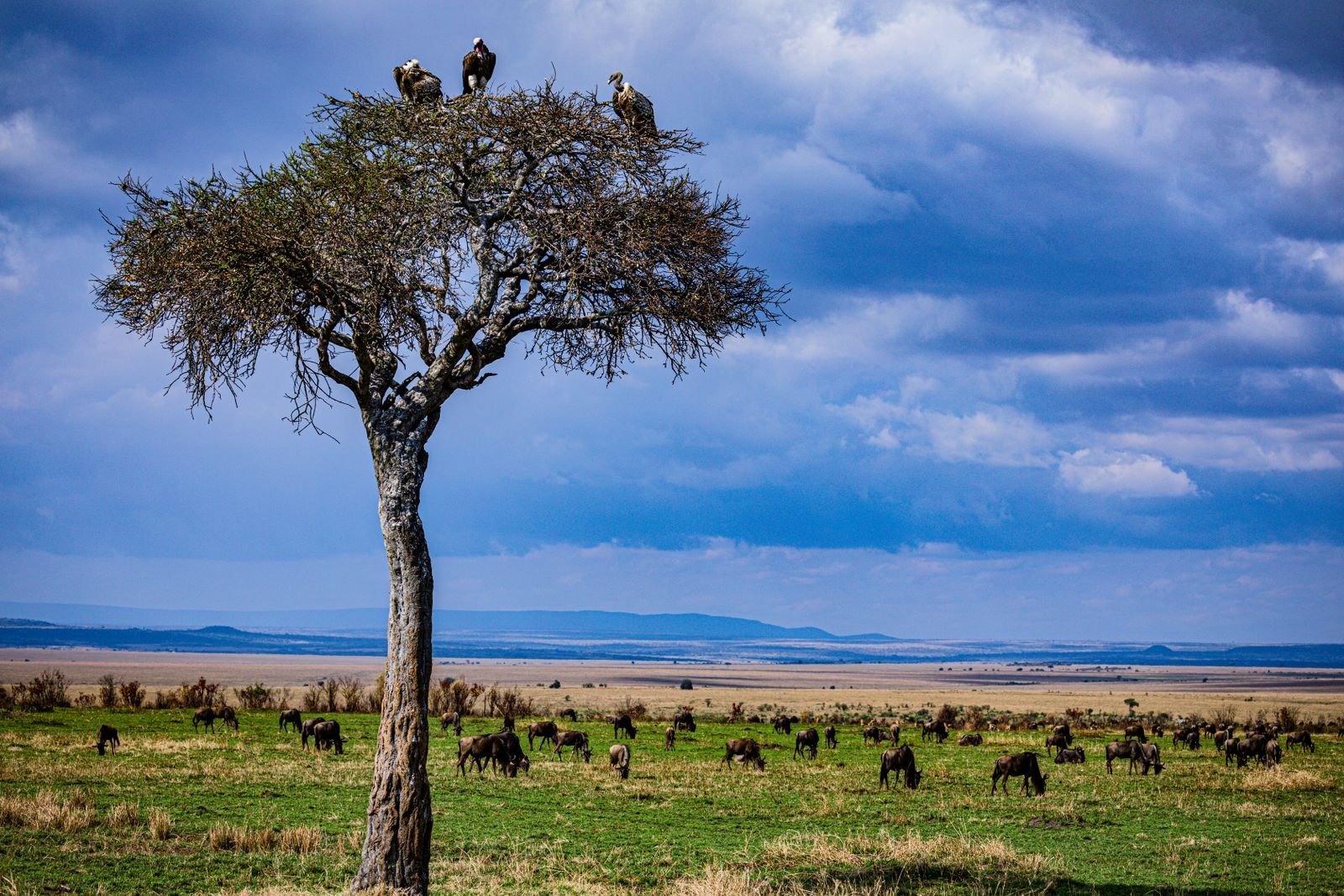
A Mara River crossing is the most famous moment of the Great Migration — thousands of wildebeest plunging down steep banks into crocodile-filled water — but also the hardest to time. Crossings are most likely from July to September, they happen on both sides of the Kenya–Tanzania border, and they never happen on a schedule. The Kenyan side, in the Maasai Mara, has more established crossing points and more camps nearby; the Tanzanian side, in the northern Serengeti, is quieter and wilder, but harder to reach. This guide compares the two honestly, so you can choose the side that fits your trip.
For the full seasonal picture, read our Great Migration calendar, which tracks the herds month by month across the Serengeti and the Mara.

What a Mara River crossing actually looks like
Forget the nature-documentary version, where the herds pour across in a single dramatic wave. A real crossing is slower, messier and more tense: the herds gather on the bank — sometimes hundreds, sometimes thousands — and wait, milling around, drinking, testing the water, often turning back. A Mara River crossing can start suddenly when a few bold animals go in, or fizzle out after hours of waiting. When it happens it is fast and chaotic: animals scrambling down steep banks, swimming against the current, crocodiles in the water, the far bank turning into a crush of wet, exhausted wildebeest climbing out.
The whole thing can be over in twenty minutes, or go on for hours — and then the herds are across and the river is quiet again. That is why the standard advice is always the same: stay near the river for several days, with a guide who reads the herds. A Mara River crossing is not a show you buy a ticket for; it is a chance you give yourself by being in the right place, in the right season, for long enough.
When do the crossings happen?
Crossings are most likely from July to September, when the herds are in the northern Serengeti and the Maasai Mara. July is when they begin, but the herds are still building up. August is the strongest single month: the herds are spread across the Mara plains and the crossings are happening most often. September is the smart alternative — crossings are still possible early in the month, the big cats are active, and the crowds thin out.
Crossings also happen in June on the Grumeti River, in the western Serengeti — a different river and far fewer visitors. A late crossing is still possible in October, but do not plan a trip around it. Outside July to September, book for the overall wildlife and treat a crossing as a bonus.
| Month | Crossing likelihood | Where the herds are |
|---|---|---|
| June | Low for the Mara; Grumeti crossings possible | Western Serengeti, moving north |
| July | Good — crossings begin | Northern Serengeti and Maasai Mara |
| August | Best — crossings most likely | Maasai Mara and northern Serengeti |
| September | Good early in the month | Maasai Mara and northern Serengeti |
| October | Low — last crossings possible | Mara, then moving south |
| November–May | None at the Mara River | Southern and western Serengeti |
Kenya vs Tanzania: the Mara River crossing compared
The Mara River forms part of the border between Kenya and Tanzania, and the herds cross it in both directions — north into the Maasai Mara and south back into the northern Serengeti. The river, the animals and the crocodiles are the same. What differs is the viewing: how many crossing points there are, how close you can get, how many other vehicles are there, and how hard it is to reach.
The Kenyan side: Maasai Mara
The Kenyan side is where most crossing viewing happens. The Mara has more established crossing points, more camps within a short drive of them, and a shorter journey from Nairobi — about 5–6 hours by road. The concentration of camps means your guide can move quickly between crossing points when the herds start to gather.
The trade-off is crowds: in August the popular crossing points can have many vehicles waiting, and the riverbanks feel busy. That does not ruin the crossing — the animals do not care about the vehicles — but it changes the atmosphere. The Mara’s entry fee is also at its highest in crossing season: US$200 per non-resident adult per day from July to December (checked October 2026), double the January–June rate of US$100. Fees change — confirm the current rate before you book. Our Maasai Mara safari guide covers the crossing areas, the drive from Nairobi, and how to plan the river stay.
The Tanzanian side: northern Serengeti
The Tanzanian side, in the northern Serengeti, is the quieter and wilder option. The crossings here happen at points like the Kogatende area, the herds are the same animals, and the number of vehicles is far lower — a crossing here can feel like your own private spectacle. The landscape is more remote, with the big open plains stretching away from the river.
The trade-off is logistics. The northern Serengeti is a long way from Arusha — a full day’s drive, or a flight in — with fewer camps further apart. The Serengeti’s entry fee is US$82.60 per non-resident adult per 24 hours in peak season, plus a concession fee of US$70.80 per night for sleeping inside the park from July to September (checked July–October 2026). Our Serengeti safari guide covers the northern sector and how to reach it.
Which side should you choose?
- Choose Kenya (Maasai Mara) if you want the most crossing points, the shortest journey, the most camps near the river, and the best chance of being in the right place when a crossing starts.
- Choose Tanzania (northern Serengeti) if you want a quieter, wilder crossing with far fewer vehicles, and you are happy with a longer journey and fewer camps.
- Choose both if you have seven days or more. A combined trip that covers the Mara and the northern Serengeti gives you crossings on both sides of the river, and it is the most complete answer — see our guide to combining Kenya and Tanzania in one safari.
- Do not choose by price alone. The Mara’s daily fee is higher in crossing season, but the Serengeti charges entry plus a nightly concession fee, and the journey north costs more. Compare the full trip, not one fee.

How to plan a Mara River crossing trip realistically
Four decisions matter more than anything else: when, how long, where you stay, and who guides you.
When: July to September, and August if you can
Book July to September: August is the strongest month, September the best-value alternative, July the month the crossings begin. Do not book June or October for a Mara crossing — June is Grumeti season in the western Serengeti, and October is the end of the window.
How long: at least three or four days at the river
Three days at the river is the minimum for a realistic chance of a crossing; four or five days is better. A two-day visit can work if the herds are already crossing when you arrive, but you are gambling on timing you cannot control. Build the river stay into a longer trip — two days elsewhere first, then three or four days at the river — so the trip is worthwhile even if the crossing does not happen.
Where you stay: close to the river
Distance is everything. A camp an hour from the river means your guide cannot react when the herds start to gather — by the time you arrive, the crossing may be over. Stay as close to the crossing points as your budget allows, and ask when you enquire how far the camp is from the river.
Who guides you: a guide who tracks the herds
Crossings are found, not scheduled. Your guide should be out early, watching where the herds gather and moving between crossing points as the day develops. Ask your operator how they track the herds and whether the guide can change the day’s plan when a crossing starts — a fixed timetable is the enemy of a crossing.
What a Mara River crossing day looks like
A typical crossing day starts before sunrise: you leave camp early, drive to the river, and find the herds. Some mornings they are already at the bank, restless and noisy, and the crossing starts within the hour. Other mornings they are grazing a kilometre away, and the day is a waiting game — moving between crossing points, watching the herds, reading the signs. A herd bunched tightly at the bank and moving toward the water is about to cross; a herd spread out and grazing is not.
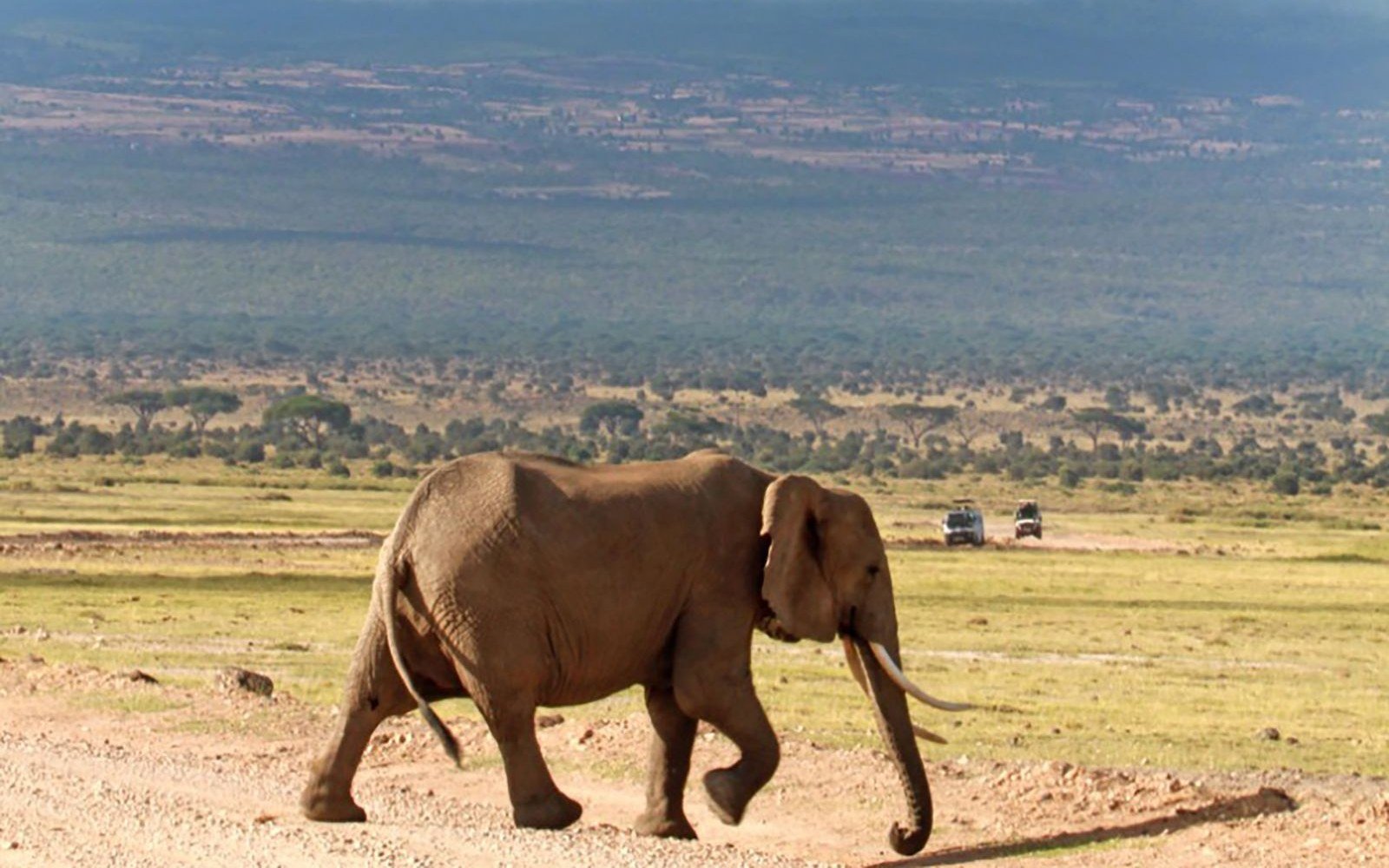
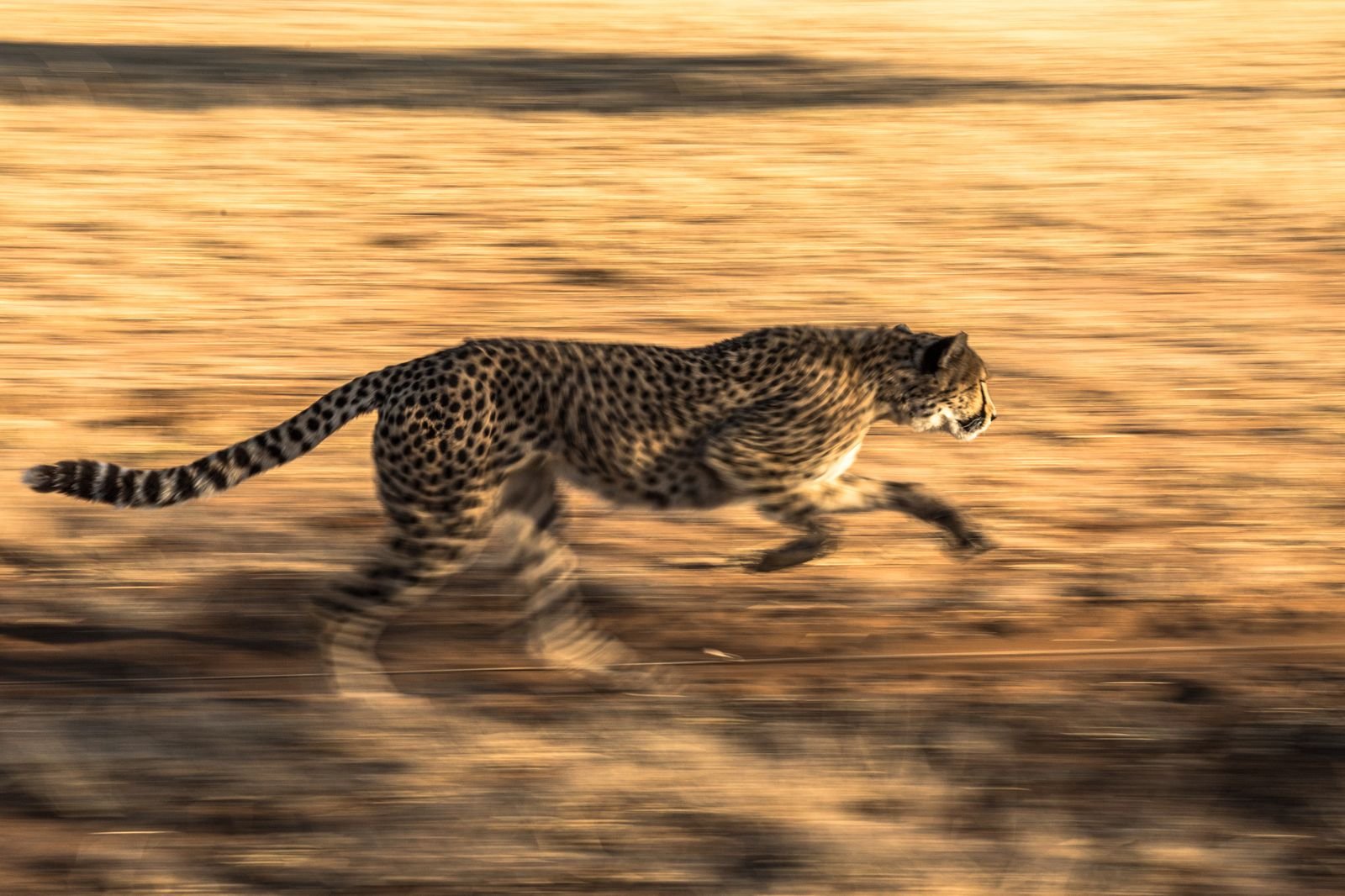
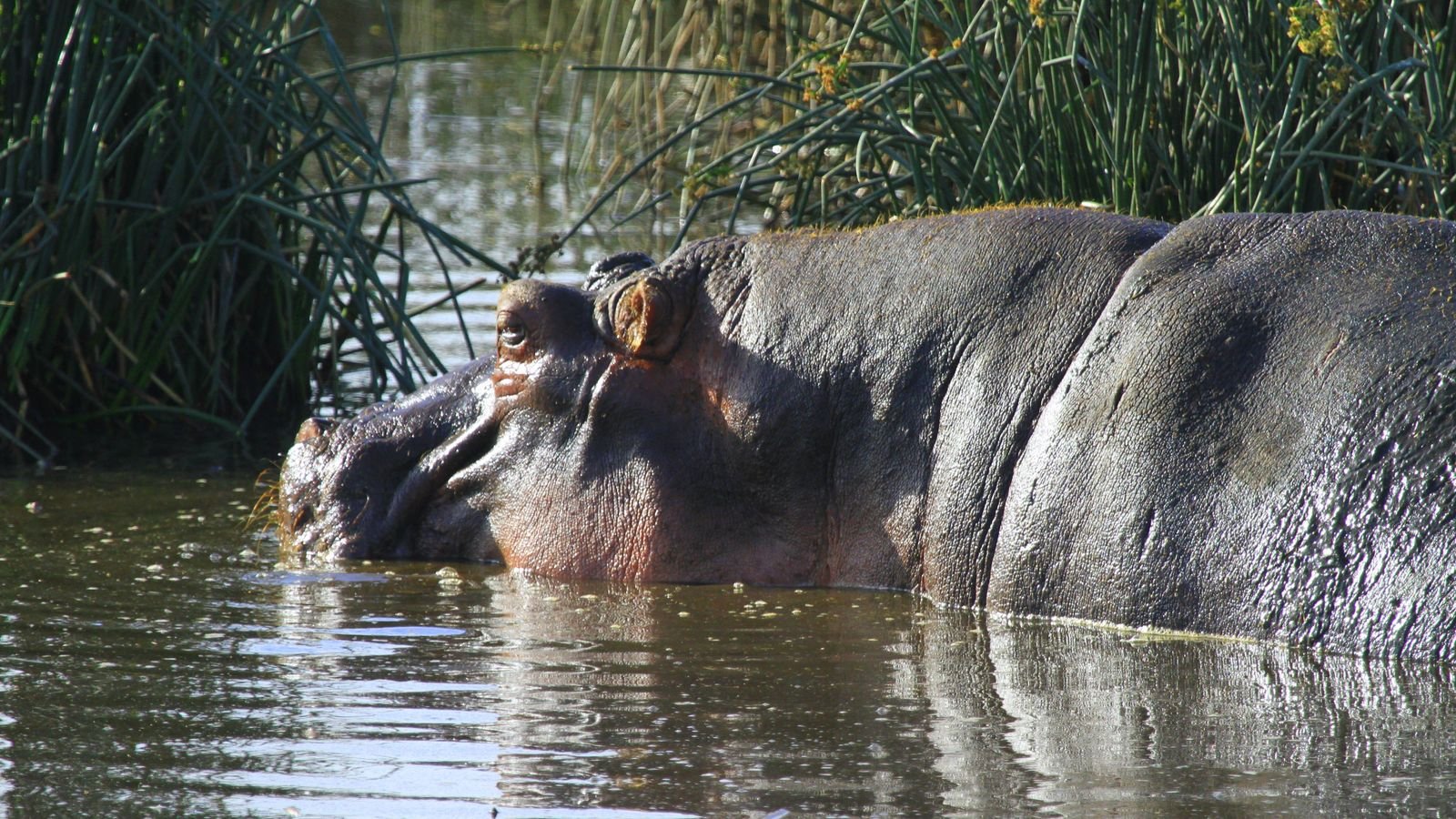
The waiting is part of the experience, not wasted time. The riverbanks hold crocodiles, hippos and the birds that follow the herds, and the Mara plains around the river are full of lions, elephants and giraffes. A day at the river is a full safari day even without a crossing — and when the crossing happens, it happens fast, so be ready: camera out, binoculars up, vehicle positioned before the herds move, not after.
The honest risks of a Mara River crossing: what can go wrong
Three things can spoil a crossing trip. First, the herds may not be at the river on your days — the migration is spread out, and the front can be at the river while the bulk is still days away. Second, the herds may gather and then not cross: they hesitate, sometimes for hours, sometimes for days, and a herd that looks ready in the morning can walk away by the afternoon. Third, the weather can turn — a heavy shower can send the herds back to grazing and end the day’s chances.
None of this is a reason not to go — it is a reason to go for long enough, in the right season, with a guide who can adapt, and to enjoy the whole trip, not just the crossing. The Mara and the northern Serengeti in August and September are superb safari country with or without a crossing, and the big cats, elephants and plains game are there every day.
Frequently asked questions
What is the best month to see a Mara River crossing?
August is the best month, with crossings most likely and the herds spread across the Mara and northern Serengeti. July is when the crossings begin and September is a strong alternative with fewer visitors. Plan at least three or four days at the river in July to September for a realistic chance.
Is it better to see the crossing from Kenya or Tanzania?
Kenya’s Maasai Mara has more crossing points, more camps near the river and a shorter journey from Nairobi — the best choice for the highest chance of being in the right place. Tanzania’s northern Serengeti is quieter and wilder, with far fewer vehicles, but harder to reach. A combined trip covering both sides is the most complete option.
Are Mara River crossings guaranteed?
No — crossings can never be guaranteed. The herds move with the rain, they can wait on the banks for hours or days, and a crossing can happen at any point along the river. Stay near the river for at least three or four days in July to September, with a guide who tracks the herds.
How many days do I need for a crossing safari?
Five days is the practical minimum for a crossing-focused trip: two days elsewhere first, then three or four days at the river. Seven days is better, and a combined Kenya and Tanzania trip needs at least seven days. The river stay is the part that decides whether you see a crossing, so do not cut it short.
Do crocodiles attack the wildebeest during crossings?
Yes — Nile crocodiles wait in the Mara River and take wildebeest during crossings, particularly the young, the weak and those that hesitate in the water. It is why the herds hesitate so long on the banks.

Choose your side, give yourself at least three or four days at the river in July to September for a Mara River crossing, and go with a guide who tracks the herds rather than a fixed timetable. That is the whole secret of a crossing safari — there is no shortcut, and anyone who promises a crossing on a specific date is selling you something that does not exist. A combined trip covers both sides of the river in one journey: see our Kenya and Tanzania combined safaris, and check the Great Migration calendar before you fix your dates.
Ready to turn this into a real safari?
Tell us your dates, group size and the parks you want to see. We will confirm the exact price in a written quote — no price is published here until the owner confirms it.