Samburu National Reserve is northern Kenya at its wildest: a dry, rugged reserve along the Ewaso Nyiro River, home to animals you will not find in the Mara — Grevy’s zebra, reticulated giraffe and the long-necked gerenuk. It is quieter, hotter and more remote than the southern parks, and it suits travellers who have done the Mara and want something different.
Samburu is not a first-safari park. It is a second-safari park, and that is its appeal: fewer vehicles, a landscape that looks nothing like the green Mara, and wildlife that feels like a discovery rather than a checklist. If the Mara is the main event of your Kenya trip, start with our Maasai Mara safari guide — then read on to see whether the north is worth the journey.
What makes Samburu National Reserve different from the Mara?
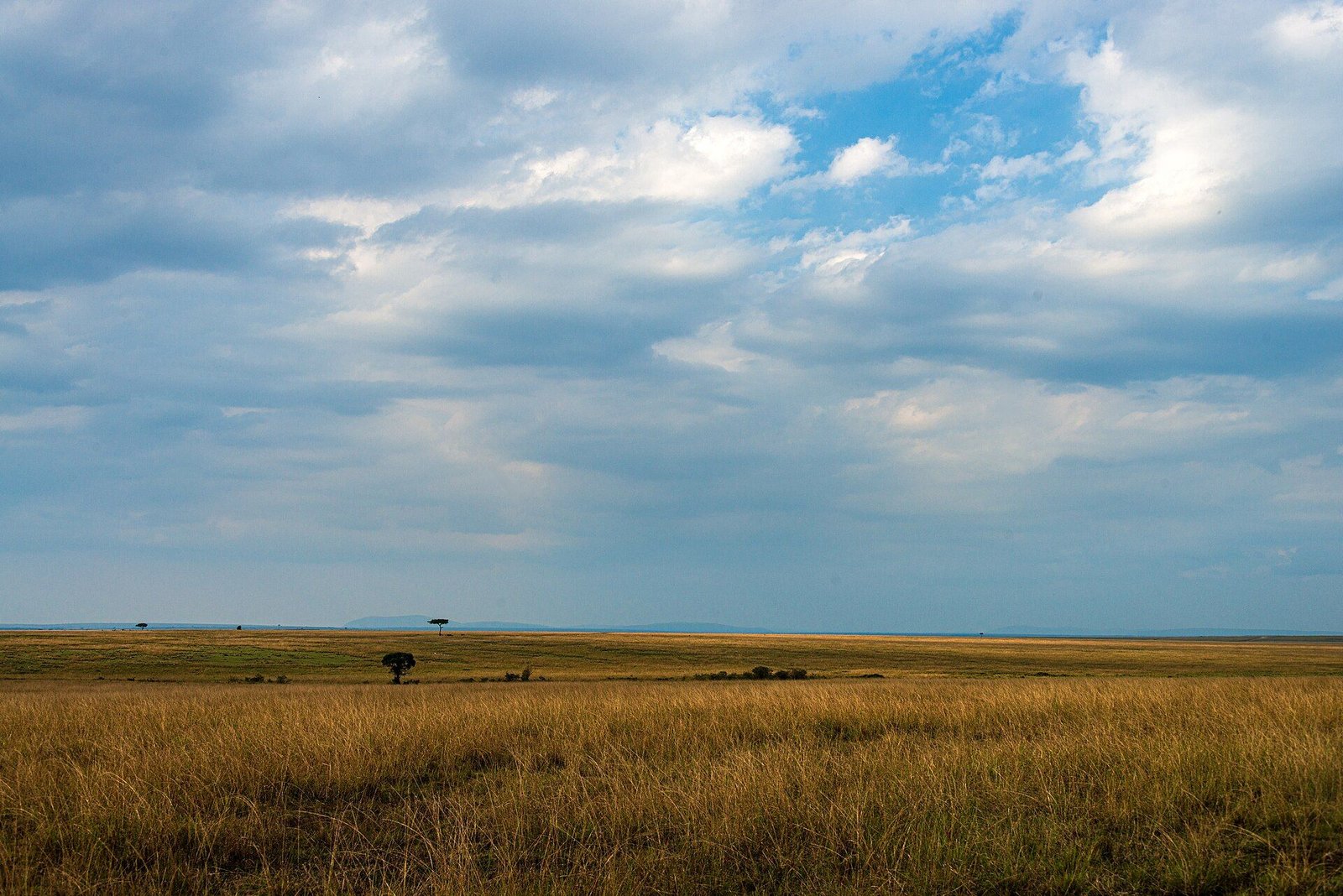
Everything is drier, harder and more spread out. Samburu sits in the semi-arid north, where the land is red rock, dry scrub and doum palms along the river, not the open green plains of the Mara. Animals are fewer and harder to find, but the ones you do find feel earned — and several of them live nowhere else in Kenya. The reserve is also much quieter: there are fewer camps, fewer vehicles and no migration-season crowds, so a sighting is usually yours alone.
That quiet comes with a trade-off. The Mara gives you big cats and herds in a morning; Samburu asks for patience, a good guide and a full day on the river. If you want a park that feels remote and untamed, Samburu delivers. If you want guaranteed sightings in a short time, it does not — and you should choose accordingly.

The Samburu Special Five
Samburu is famous for five animals that are rare or absent in the southern parks. Together they are known as the Samburu Special Five, and finding all five is the park’s classic challenge.
Grevy’s zebra
Taller and narrower-striped than the common zebra, with a white belly and a dark stripe down its spine. Grevy’s zebra is endangered, and Samburu is one of the best places left to see it — look for small herds on the open ground away from the river.
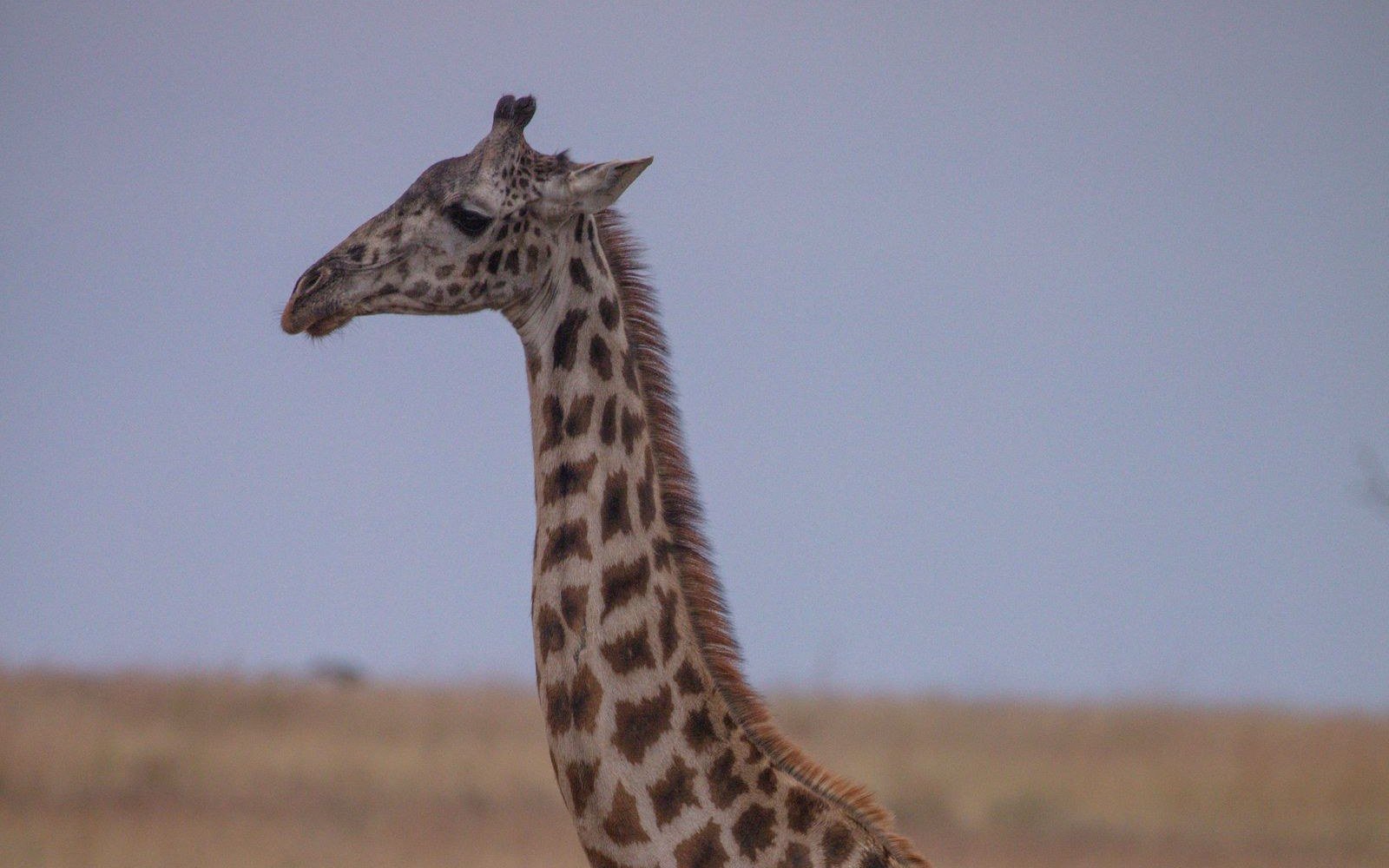
Reticulated giraffe
Recognisable by its sharp, chestnut-coloured patches separated by bright white lines. It is the most striking of Kenya’s giraffes, and it is commonly seen feeding in the acacia and along the riverbanks.
Gerenuk
The long-necked antelope that stands on its hind legs to browse high branches. Gerenuk are shy and easily missed — watch for a thin neck rising above the scrub, and let your guide do the spotting.
Somali ostrich
Distinguished from the common ostrich by its blue-grey neck and legs. Males are black and white, females grey-brown, and both are often seen in pairs on the open plains.
Beisa oryx
A pale antelope with long, straight horns and black facial markings, built for dry country. Oryx stand out against the red earth, and they are one of the easier members of the five to find.
Seeing all five takes luck and a full day or two on the river — but even three of the five makes a Samburu trip worthwhile, because none of them are found in the Mara.
The Ewaso Nyiro River: the park’s lifeline
The Ewaso Nyiro is the reason Samburu exists as a wildlife area. The river runs through the reserve, lined with doum palms and acacia, and in the dry season it is the only water for kilometres — so the animals come to it. Elephants dig in the sandy riverbed for water, leopards hunt along the banks, and crocodiles wait in the pools. Your best game viewing happens here, in the early morning and late afternoon, when the riverbank is busy and the light is low.
Stay near the river if you can: camps along the Ewaso Nyiro put you within minutes of the best game areas, and you can watch elephants from camp in the evening. The river also shapes the park’s beauty — the contrast of green palms against red rock and dry scrub is unlike anywhere else in Kenya.
When is the best time to visit Samburu National Reserve?
The dry season is the best time for a Samburu National Reserve safari. With water scarce away from the river, animals concentrate along the Ewaso Nyiro, and the thin, dry bush makes them easier to spot. It is also hot — Samburu is low, dry country — so plan your drives for the early morning and late afternoon. The green season brings cooler weather and fewer visitors, but the animals spread out as water appears across the park. Read our guide to the best time for a Kenya safari to match your dates with the season that suits your trip.
Samburu National Reserve fees
Samburu is a county-run reserve, not a Kenya Wildlife Service park, and its entry fee is set by the county. Sources disagree on the exact current figure, so we do not quote one here — the fee that applies to your dates is confirmed in your written quote before anything is booked. Fees change, so confirm the current rate before you book.
- Entry fee: set by the county — confirmed in your written quote, not quoted here
- Kenya eTA: apply only at etakenya.go.ke, about US$30, at least a week before departure
- Health: confirm vaccinations and malaria prevention with your doctor or a travel clinic well before you travel
- Getting there: a long drive north from Nairobi, or a flight — the cost is confirmed in your written quote
- Packing: warm layers for cold mornings, sun protection for midday, binoculars for the riverbanks
Samburu culture
The Samburu people are closely related to the Maasai, and their red dress, beadwork and cattle culture are part of the region’s identity. Many camps employ Samburu guides, whose knowledge of the dry country — tracking, bird calls, the names of the trees — shapes the safari. Village visits can be arranged through your operator: go with respect, ask before taking photographs, and book through the camp rather than turning up unannounced. It is an optional extra, and its cost is confirmed in your written quote.
How to include Samburu National Reserve in a Kenya trip
Samburu is a long drive north from Nairobi, through changing country — green highlands, then dry scrub, then the red north. Flying is the usual choice for travellers short on time, and the cost is confirmed in your written quote. Either way, Samburu works best as a second stop: the Mara or Nakuru first, then the north, or the north first and the Mara second. Two or three nights is enough for the river and the Special Five.
If your goal is the full Big Five, read our guide to the Big Five in Kenya and Tanzania: Samburu adds the animals the southern parks cannot, and the Mara completes the cats and the herds. Because Samburu is remote and its camps are small, it suits a private trip best — your own vehicle, your own pace, and a guide who knows the river.

Who is Samburu National Reserve not right for?
Be honest before you commit to the journey to Samburu National Reserve. If this is your first safari and big cats are the priority, the Mara will give you more sightings in less time. If you dislike heat, Samburu in the dry season is the hottest park in this guide. And if you want a short, easy trip, the long journey north — by road or by air — is a real cost in time and money.
What Samburu offers instead is something the southern parks cannot: animals found nowhere else in Kenya, a river in dry country, and a park where you can drive all morning and meet no other vehicle. For a second safari, that is exactly the point.
Frequently asked questions
What are the Samburu Special Five?
Grevy’s zebra, reticulated giraffe, gerenuk, Somali ostrich and beisa oryx — five animals that are rare or absent in southern Kenya. Finding all five is the park’s classic challenge, and Samburu is one of the best places to see them.
How much is the Samburu entry fee?
Samburu is county-run and its fee is set by the county. Sources disagree on the exact current figure, so we do not quote one — the fee that applies to your dates is confirmed in your written quote. Fees change, so confirm the current rate before you book.
When is the best time to visit Samburu?
The dry season, when animals concentrate along the Ewaso Nyiro River and the thin bush makes them easier to spot. It is hot, so plan drives for early morning and late afternoon. The green season is cooler and quieter, but animals spread out.
How many days do I need in Samburu?
Two or three nights is enough for the river and the Special Five. Samburu works best as a second stop after the Mara or Nakuru, not as a first safari on its own.
Choose Samburu National Reserve if you have done the Mara and want the animals it cannot give you, the river in dry country, and a park to yourself. Start with the Maasai Mara safari guide if this is your first Kenya trip, then send your dates through our private Kenya safaris and the owner will confirm an exact written quote for your trip.
Ready to turn this into a real safari?
Tell us your dates, group size and the parks you want to see. We will confirm the exact price in a written quote — no price is published here until the owner confirms it.

