
A Tsavo safari means red elephants, wide empty landscapes and two very different parks: Tsavo East is flat, dry and open, while Tsavo West is hilly, green and full of springs. Together they form one of the largest protected areas in Africa, and they fit naturally between Nairobi and the Kenya coast.
Tsavo is not a smaller Mara. It is a different kind of Tsavo safari — vast, hot and quiet, where animals are spread out and the landscape itself is half the experience. If you want dense big-cat sightings, our Maasai Mara safari guide is the better starting point. If you want space, elephants and a park that still feels wild, Tsavo earns its place on your itinerary.
Tsavo East vs Tsavo West: what is the difference?
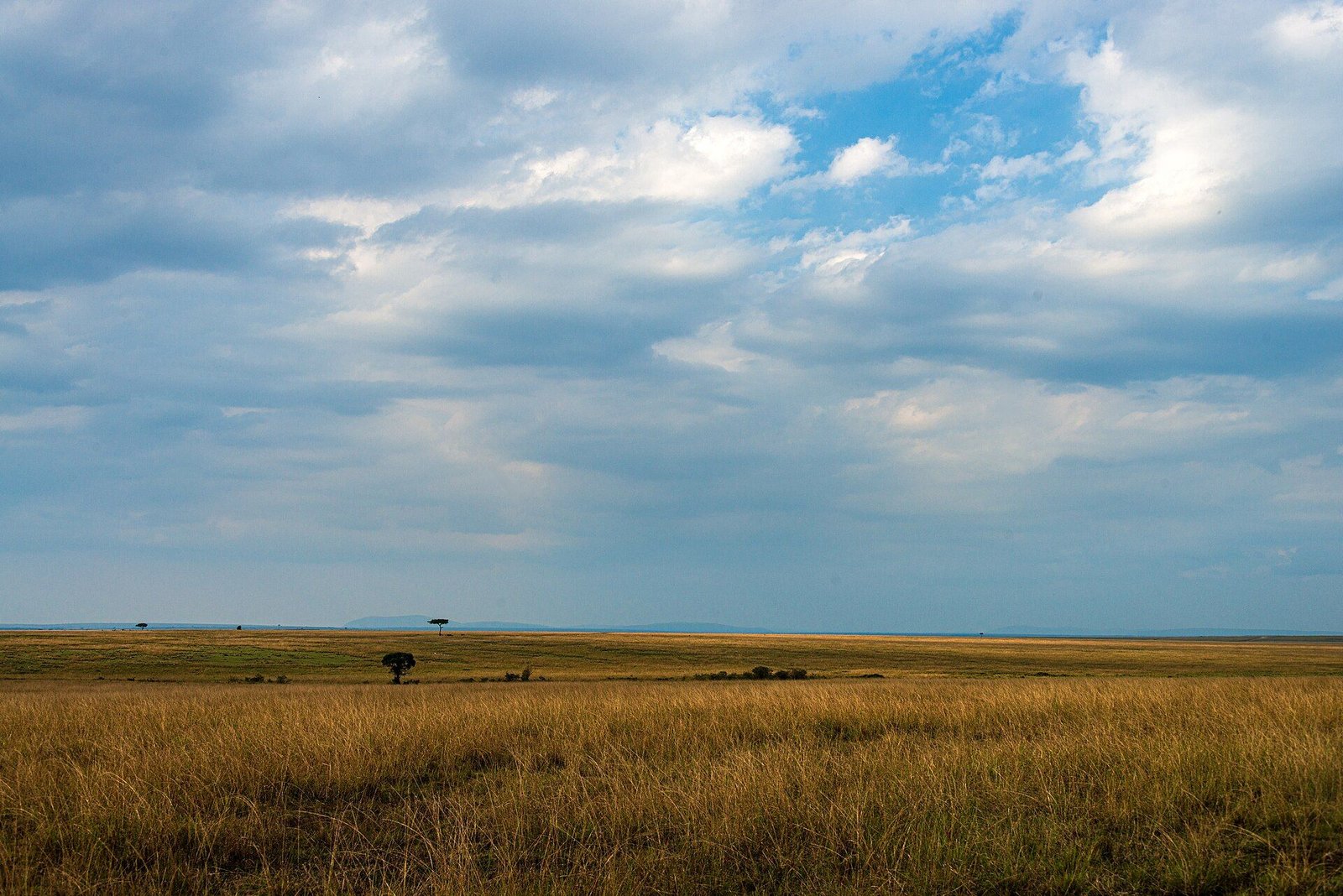
Tsavo is split by the Nairobi–Mombasa road into two parks, and the split is real: the two sides look and feel different, and they suit different travellers. Tsavo East is the bigger, flatter and drier half, famous for its red elephants and wide-open plains. Tsavo West is smaller, greener and hillier, with springs, lava flows and thicker bush.
| Tsavo East National Park | Tsavo West | |
|---|---|---|
| Landscape | Flat, dry, open plains with red earth | Hills, green bush, springs and black lava flows |
| Best known for | Red elephants, wide views, the Galana River | Mzima Springs, leopards, rhino sanctuary |
| Wildlife feel | Animals visible at a distance across open ground | Animals harder to spot in thicker cover, but varied |
| Best for | First-time Tsavo visitors, photographers, coast stopovers | Travellers who have done East and want a different landscape |
Most first-time visitors on a Tsavo safari choose Tsavo East, because the open ground makes animals easier to find and the red elephants are the reason to come. If you have more time, add Tsavo West for Mzima Springs and a greener, hillier landscape that feels like a different park altogether.

The red elephants on a Tsavo safari
Tsavo’s elephants are red — not by breed, but by dust. The parks sit on red volcanic soil, and the elephants coat themselves in it when they dust-bathe, which they do to protect their skin from sun and insects. After a roll in the red earth, a grey elephant turns a deep rust colour that photographs beautifully against the pale grass. The effect is strongest in the dry season, when the dust is fine and the elephants bathe often. It is the single most recognisable sight in Tsavo, and the reason the park’s elephants are known around the world.
The herds here are large and move over huge distances. Because Tsavo is so vast, elephants are not guaranteed at any one waterhole — your guide will read the tracks and work the river areas and waterholes where herds were seen recently. Patience is part of a Tsavo safari: the animals are there, but the park does not hand them to you the way a smaller park can.
What wildlife will you see on a Tsavo safari?
Elephants first, then the full cast of a Kenyan savanna: lions, leopards, cheetahs, giraffe, zebra, buffalo, hippos and crocodiles in the rivers, and a long list of antelope. Tsavo is also famous for its lions — the park’s lions have a history, including the pair that attacked railway workers during the building of the Uganda Railway in 1898. That history is part of the park’s story, not a reason to expect trouble: today’s lions are watched from a vehicle like anywhere else in Kenya, and your guide keeps a respectful distance.
Birdlife is strong, especially around the rivers and springs: eagles, hornbills, weavers and, in the green season, migrant birds. What Tsavo will not give you is the Mara’s density of big cats in one morning. A Tsavo day is slower and more spread out, and the reward is the sense of space — long views, empty roads and animals that behave as if you are not there.
Mzima Springs and the sights of Tsavo West
Mzima Springs is the best reason to visit Tsavo West. Clear water rises from underground lava rock and forms a chain of pools fringed by palm and acacia trees, in the middle of dry country. Hippos and crocodiles live in the pools, and there is an underwater viewing chamber where you can watch fish and hippos through glass below the surface. It is one of the most unusual sights in any Kenyan park, and it is worth the drive on its own.
Elsewhere in the West, the Shetani lava flows — black, twisted rock stretching for kilometres — show the volcanic history of the area, and the park’s hills give viewpoints over the plains that Tsavo East’s flat ground cannot match. In Tsavo East, the Galana River and Lugard Falls are the landmarks: the river cuts through the park, and the falls are a series of rock channels where the water drops and swirls. Plan your days around water in both parks — in the dry season, that is where the animals are.
When is the best time for a Tsavo safari?
The dry season is the best time for game viewing in Tsavo. With water scarce, animals gather at the rivers, springs and waterholes, and the thin, dry bush makes them easier to spot. It is also the hottest time: Tsavo is low, dry country, and midday temperatures are high, so plan your drives for the early morning and late afternoon and rest through the middle of the day.
The green season is cooler and quieter, with fewer visitors and good birding, but the bush thickens and animals spread out as water appears everywhere. Either season works — the choice is between easy sightings in the heat, or a greener park with more searching.
Tsavo East and Tsavo West fees
Both parks are Kenya Wildlife Service parks, and both follow the KWS tariff in force since 1 October 2025. Fees are per person per 24 hours, and the same rate applies all year. Children under five enter free. Payment is cashless only, through KWSPay on the eCitizen platform, by card or by M-Pesa.
| Visitor | Fee per 24 hours |
|---|---|
| Adult | US$80 |
| Child | US$40 |
| Child under 5 | Free |
Fees change — confirm the current rate before you book.
How to fit a Tsavo safari into a Kenya itinerary
Tsavo’s great advantage is position. It sits on the road between Nairobi and the Kenya coast, so it fits naturally into a trip that ends at the beach: safari first, coast second. It also pairs well with Amboseli National Park, which lies to the west — Amboseli for elephants and Kilimanjaro, Tsavo for red elephants and empty landscapes, then the coast. Read our guide to the best time for a Kenya safari to choose your months: the dry season gives the easiest game viewing, while the green season is quieter and cheaper.
Two or three days is enough for one side of Tsavo; add a day or two if you want both East and West. Because the parks are large, driving distances inside them are long — plan for full days on the road rather than short morning drives. International visitors need a Kenya eTA before flying (about US$30, apply only at etakenya.go.ke, at least a week before departure), and for vaccinations and malaria prevention, confirm with your doctor or a travel clinic well before you travel.

Who is a Tsavo safari not right for?
Be honest about what you want. If your trip is short and big cats are the priority, the Mara will give you more sightings in less time. If you dislike heat and dust, Tsavo in the dry season is the hottest park in this guide — carry water, wear a hat, and expect red dust on everything you own.
And if you want a park where animals are close and easy, Tsavo’s scale works against it: herds can be far away, and a day can pass with long quiet stretches between sightings. What Tsavo offers instead is wildness — space, silence and elephants the colour of the earth. For many travellers, that is exactly the point.
Frequently asked questions
What is the difference between Tsavo East and Tsavo West?
Tsavo East is flat, dry and open, famous for red elephants and wide views. Tsavo West is hillier and greener, with Mzima Springs, lava flows and thicker bush. East suits first-time visitors; West suits travellers who want a different landscape.
Why are Tsavo’s elephants red?
The parks sit on red volcanic soil. Elephants coat themselves in the dust when they dust-bathe to protect their skin from sun and insects, and the dust turns them a deep rust colour — strongest in the dry season.
How much is the Tsavo park fee?
For non-residents, US$80 per adult and US$40 per child per 24 hours in both Tsavo East and Tsavo West, under the KWS tariff in force since 1 October 2025 and checked October 2026. Children under five enter free, and payment is cashless only. Fees change — confirm the current rate before you book.
Can I combine Tsavo with a beach holiday?
Yes — Tsavo sits on the road between Nairobi and the Kenya coast, so it is a natural stop on the way to or from the beach. It also pairs well with Amboseli for a two-park trip before the coast.
Choose Tsavo if you want space, red elephants and a park that still feels wild — and choose Tsavo East first if it is your first visit. Pair it with the Maasai Mara safari guide if big cats matter too, then send your dates through our budget Kenya safaris and the owner will confirm an exact written quote for your trip.
Ready to turn this into a real safari?
Tell us your dates, group size and the parks you want to see. We will confirm the exact price in a written quote — no price is published here until the owner confirms it.


