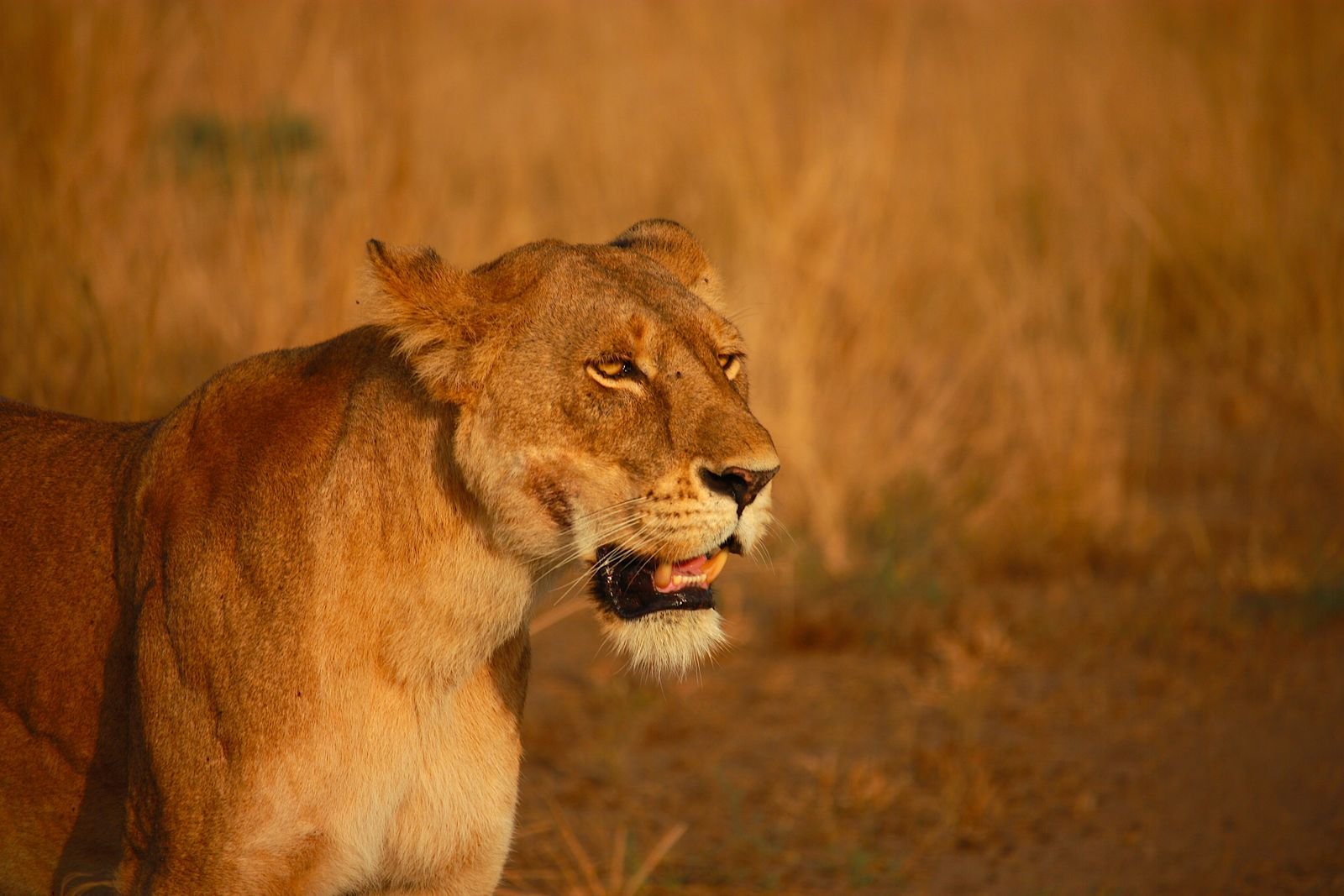

A Kenya Tanzania visa for safari travel is straightforward if you apply the right way: Kenya uses an Electronic Travel Authorisation (eTA) applied for online before you fly, and Tanzania uses an e-visa — also applied for online in advance. There is no visa on arrival for Kenya, and US citizens cannot get a visa on arrival in Tanzania either. Before you book flights, read our guide on whether a safari is safe — it covers the health checks that go with the paperwork below.
Do I need a Kenya Tanzania visa for safari?
Almost certainly, yes — but the two countries run different systems, and the names matter. Kenya replaced visas with an Electronic Travel Authorisation (eTA) in January 2024. You apply online before you fly, and you cannot get one on arrival. Tanzania still issues visas: most nationalities apply for an e-visa online in advance, and most (but not all) can also get a visa on arrival. If your trip combines both countries — a common plan, since the Mara and the Serengeti share one ecosystem — you need entry permission for each country separately. One does not cover the other.
The single most important habit is to use only the official government portals. Both countries have copycat websites that look official, charge extra, and sometimes deliver nothing at all. The official sites are listed in the table below, and nowhere else in this guide links to any other application site.

Kenya eTA: the first half of a Kenya Tanzania visa for safari
Apply only at the official portal, etakenya.go.ke, before flying. There is no eTA on arrival, and airlines can refuse boarding without an approved eTA — so this is not something to leave to the airport. The standard single-entry eTA costs about US$30 and is valid for stays of up to 90 days (checked October 2026).
Processing usually takes 24–72 hours — about 3 working days — but apply at least a week before departure, and you can apply up to 3 months ahead. Your passport must be valid at least 6 months beyond arrival, with a blank page. Citizens of East African Community states and many African nationalities are exempt — check the current list on the official portal before applying.
From October 2026, Kenya asks most short-stay visitors for proof of travel health insurance (about US$50,000 cover). Check the portal for the current rule when you apply, because this requirement is new and the details may change. If you are still planning the trip itself, our guide on how to book a safari explains the order of decisions — dates, route, then paperwork.
Tanzania e-visa: the second half of a Kenya Tanzania visa for safari
Most nationalities need a visa for Tanzania. Apply online at the official portal, visa.immigration.go.tz. Use only that site — copycat sites charge extra. A single-entry tourist e-visa costs US$50 and is valid for 90 days; a multiple-entry visa costs US$100 (checked October 2026).
One rule is absolute: US citizens must apply for the multiple-entry e-visa in advance (US$100, valid 12 months) — visa on arrival is not available for US passports. For most other nationalities, a visa on arrival exists at Kilimanjaro (JRO), Dar es Salaam (DAR), and Zanzibar entry points, paid in cash in US dollars. Even so, applying online in advance is the safer choice: processing takes about 3–10 business days, so apply at least 2 weeks before flying. Your passport must be valid at least 6 months beyond arrival, with a blank page.
Yellow fever is the other thing to check. A yellow fever certificate is required if you arrive from, or transit more than 12 hours through, a yellow-fever risk country — including Kenya. So a combined trip that starts in Kenya and continues into Tanzania will very likely need one. Carry the certificate with your passport.
Kenya Tanzania visa for safari at a glance: eTA vs e-visa
| Kenya eTA | Tanzania e-visa | |
|---|---|---|
| Official portal | etakenya.go.ke | visa.immigration.go.tz |
| Fee | About US$30 | US$50 single-entry; US$100 multiple-entry |
| Validity | Stays of up to 90 days | 90 days (single-entry); 12 months (US multiple-entry) |
| Processing time | Usually 24–72 hours (about 3 working days) | About 3–10 business days |
| Apply by | At least a week before departure; up to 3 months ahead | At least 2 weeks before flying |
| On arrival? | No — there is no eTA on arrival | Yes for most nationalities (cash USD); not for US passports |
Fees change — confirm the current rate before you book.
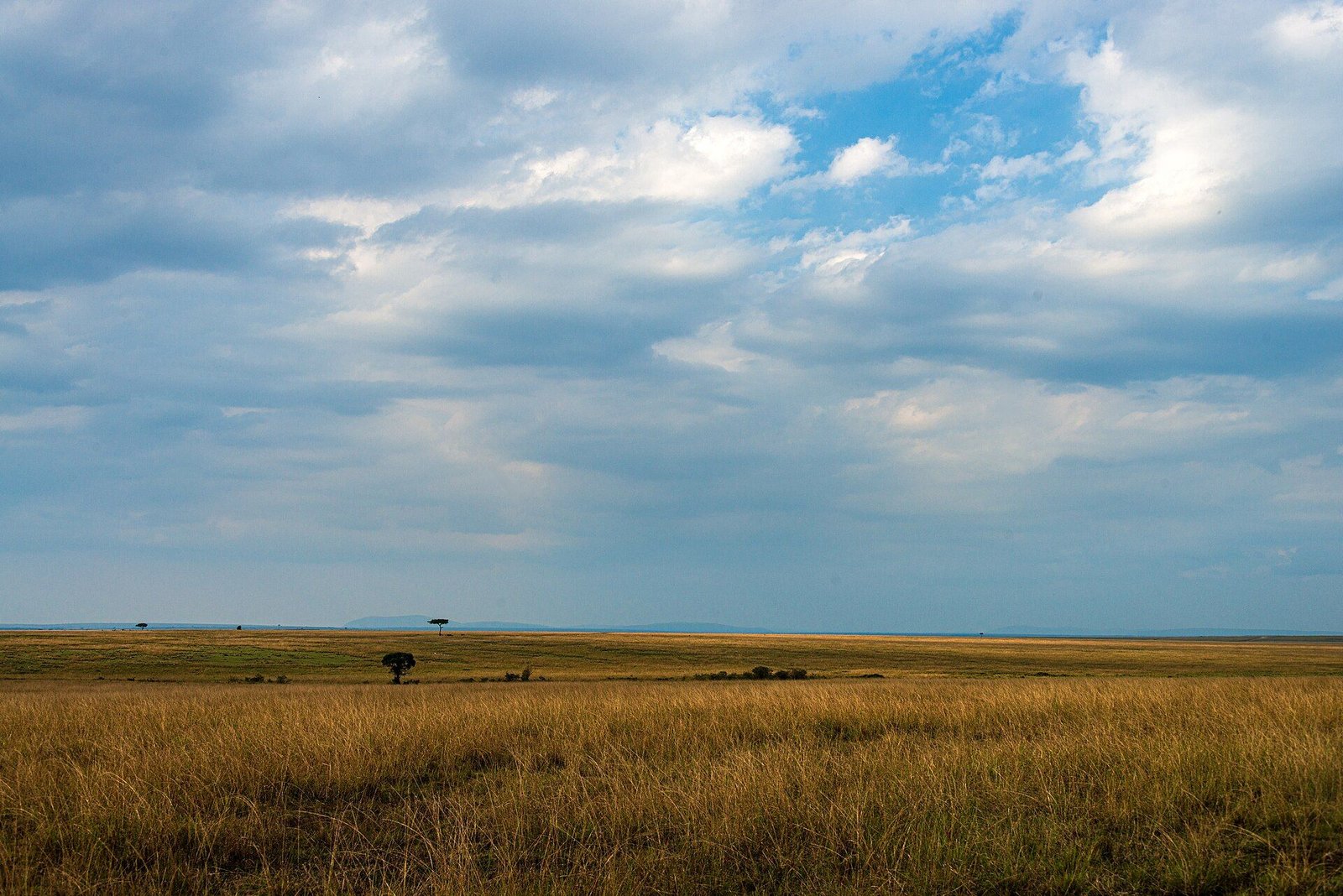
Crossing the border on a Kenya Tanzania visa for safari
If your trip visits both countries, you will usually cross by road with your driver-guide, who handles the crossing regularly and knows the routine. Have both entry permissions for your Kenya Tanzania visa for safari ready before you travel — you will show your Kenya eTA when you leave Kenya and your Tanzania e-visa when you enter Tanzania, and the same in reverse on the way back. Keep your yellow fever certificate with your passport, because this is the crossing where it is most often checked.
The practical point is timing: border formalities take time, so a crossing day is a travelling day, not a game-drive day. Your itinerary will already account for that, but it is worth knowing so you do not plan a morning drive on the same day. For the trip itself, our guide to a Kenya and Tanzania combined safari explains how the two halves of the trip fit together, including which direction usually works best.
Zanzibar entry on a Kenya Tanzania visa for safari: the extra insurance
If your trip ends in Zanzibar, there is one more requirement. Every foreign visitor must buy compulsory inbound travel insurance from the Zanzibar Insurance Corporation — US$44 per person, valid up to 92 days (checked October 2026). This is separate from your travel insurance at home, and it is not optional. Buy it before you travel, and carry the proof with your passport.
The Zanzibar insurance is easy to miss because it does not come up when you book the safari itself — it only matters at the Zanzibar border. If you buy it late, or arrive without it, you will be buying it at the airport, which is the slowest possible place to do it. Sort it out at the same time as your visa, and keep the confirmation with your other travel documents. Note also that Tanzania bans single-use plastic carrier bags, so do not pack them — leave them at home.
Documents checklist for a Kenya Tanzania visa for safari
- Passport valid at least 6 months beyond arrival, with a blank page.
- Kenya eTA approval (printed as well as on your phone) if your trip includes Kenya.
- Tanzania e-visa approval (printed as well as on your phone) if your trip includes Tanzania.
- Yellow fever certificate, if your route requires one — including any trip that arrives from, or transits more than 12 hours through, Kenya.
- Proof of travel health insurance, if the current rule asks for it.
- Zanzibar inbound travel insurance, if your trip ends in Zanzibar.
- Travel insurance details and your itinerary, kept with your passport.
Common mistakes to avoid
The most expensive mistake is applying on a copycat website. If a site charges far more than the fees above, or promises an “express” service the official portal does not offer, close it and use etakenya.go.ke or visa.immigration.go.tz. The second mistake is leaving it late: an eTA is usually quick, but a Tanzania e-visa can take 3–10 business days, and a delay there can cost you the flight. The third is the passport: check the 6-month validity rule and the blank page now, not at the airport — renewing a passport takes longer than any visa.
Finally, US citizens should not plan on a visa on arrival in Tanzania. The multiple-entry e-visa must be arranged in advance, and arriving without it means being turned back. If anything in this guide is unclear for your nationality, check the official portal — it lists who is exempt and who needs what — and ask us when you go through our booking process: we will confirm what your specific trip needs before you pay for anything.

Frequently asked questions
Do I need a visa for Kenya?
Kenya replaced visas with an Electronic Travel Authorisation (eTA) in January 2024. Apply only at etakenya.go.ke before you fly — there is no eTA on arrival, and airlines can refuse boarding without an approved eTA. The standard single-entry eTA costs about US$30 and is valid for stays of up to 90 days. Fees change — confirm the current rate before you book.
Do I need a visa for Tanzania?
Most nationalities need a visa. Apply online at visa.immigration.go.tz: a single-entry tourist e-visa costs US$50 and is valid for 90 days, and a multiple-entry visa costs US$100. US citizens must apply for the multiple-entry e-visa in advance (US$100, valid 12 months) — visa on arrival is not available for US passports.
Can I get a visa on arrival in Tanzania?
For most nationalities, yes — at Kilimanjaro (JRO), Dar es Salaam (DAR), and Zanzibar entry points, paid in cash in US dollars. US citizens cannot. Applying online in advance is still the safer choice, since processing takes about 3–10 business days.
Do I need a yellow fever certificate for Kenya or Tanzania?
A yellow fever certificate is required if you arrive from, or transit more than 12 hours through, a yellow-fever risk country — including Kenya. A combined trip that starts in Kenya and continues into Tanzania will very likely need one. Carry the certificate with your passport.
Entry paperwork — your Kenya Tanzania visa for safari — is the least exciting part of a safari, and it is also the part that causes the most avoidable problems — almost always because someone applied on the wrong website or left it too late. Apply through the official portals, apply early, and check your passport now. If your trip visits both countries, our Kenya and Tanzania combined safari guide explains how the two halves fit together. And for the health checks that go with this paperwork, read our guide on whether a safari is safe — then the rest is straightforward.
Ready to turn this into a real safari?
Tell us your dates, group size and the parks you want to see. We will confirm the exact price in a written quote — no price is published here until the owner confirms it.